


The thermostat is a crucial component of your VW Corrado’s cooling system. It regulates the flow of coolant, ensuring that the engine operates at an optimal temperature. If your dashboard warning light indicates overheating or if you notice fluctuating engine temperatures, it may be time to replace the thermostat. A malfunctioning thermostat can lead to severe engine damage, making timely replacement essential.
Replacing the thermostat is a manageable task for those with basic mechanical skills. This guide will walk you through the necessary steps and precautions to ensure a successful replacement. Having the right tools and understanding the layout of your vehicle’s cooling system will streamline the process, allowing you to get back on the road with confidence.
Before you begin, it’s important to gather all required tools and materials. You will need a new thermostat, gasket, and possibly new coolant. This article will provide you with a clear, step-by-step breakdown of the replacement process, ensuring your VW Corrado stays cool and reliable for years to come.
Identifying the Symptoms of a Failing Thermostat

A malfunctioning thermostat can lead to significant issues within your VW Corrado’s cooling system. It’s crucial to recognize the symptoms early to prevent further damage. Below are common signs that indicate a failing thermostat:
- Overheating Engine: If the engine temperature gauge indicates high readings, it could mean the thermostat is stuck closed, preventing coolant from flowing.
- Temperature Fluctuations: An erratic temperature gauge that bounces between hot and cold could indicate the thermostat is not regulating coolant flow properly.
- Coolant Leaks: A failing thermostat may cause an imbalance in pressure, resulting in coolant leaks around the thermostat housing.
- Poor Heater Performance: Inadequate heating inside the cabin, especially during cold weather, can be a sign that the thermostat is stuck open, allowing coolant to circulate continuously.
- Check Engine Light: If the car’s onboard diagnostics detect issues with the cooling system, the check engine light may illuminate.
Regular monitoring of these symptoms can help you maintain your vehicle’s health. If you observe any of these signs, it is advisable to inspect the thermostat and the overall cooling system to ensure proper functionality.
Gathering Necessary Tools and Replacement Parts
Before you begin the process of replacing the thermostat on your VW Corrado, it’s essential to gather all necessary tools and replacement parts. Proper preparation will make the task smoother and more efficient.
First, ensure you have the right thermostat for your specific model year. Consult your vehicle’s manual or an automotive parts store to verify compatibility. A quality thermostat will help maintain optimal engine temperature and prevent overheating.
Next, you’ll need a few essential tools to assist in your project:
- Socket set: A complete socket set will enable you to remove the necessary bolts securely.
- Wrenches: Various sizes, particularly a torque wrench, will help achieve the correct tightening specifications.
- Screwdrivers: Both flat-head and Phillips screwdrivers will be required to access various components.
- Coolant container: A clean container for draining the coolant will prevent spills and keep your workspace tidy.
- Coolant: After replacing the thermostat, you’ll need fresh coolant to refill the system. Choose a coolant that meets Volkswagen specifications.
- Gasket scraper: This tool will help you remove any old gasket material from the thermostat housing to ensure a proper seal.
- Shop rags: Useful for cleaning up any spills or debris during the process.
Gathering these tools and parts before starting the replacement will help minimize disruptions and ensure that you have everything needed on hand. Once you have all components ready, you’ll be well-equipped to proceed with the thermostat replacement on your VW Corrado.
Draining the Coolant System for Safe Access
Before replacing the thermostat on your VW Corrado, it is essential to drain the coolant system to ensure a safe and clean working environment. This process prevents accidental spills and reduces the risk of burns from hot coolant.
To begin, locate the drain plug on the bottom of the radiator. Typically, this is situated on one side of the radiator and may require a flathead screwdriver to open. Place a large container or bucket beneath the drain plug to catch the coolant as it flows out.
Next, remove the cap from the coolant reservoir to allow air into the system, which will enable the coolant to drain more effectively. Once the cap is off, slowly unscrew the drain plug. Be cautious, as coolant may be hot if the engine has recently operated. Allow the coolant to flow completely into the container.
While the coolant is draining, check the coolant hoses for any signs of wear or leaks. This is a good opportunity to replace any hoses that may be compromised. After all the coolant has been drained, replace the drain plug securely.
Once the coolant system is drained, you can safely access the thermostat without the risk of coolant spills or burns. Make sure to properly dispose of the old coolant according to local regulations to protect the environment.
Removing the Old Thermostat from the Engine
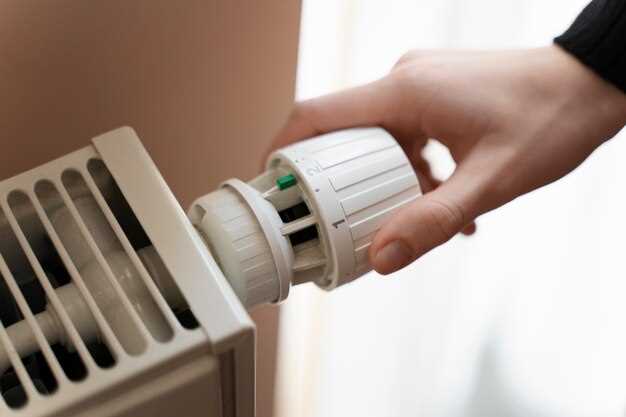
To effectively remove the old thermostat from the engine of your VW Corrado, begin by ensuring the engine is cool and the coolant has been drained to prevent any spillage. Locate the thermostat housing, which is typically situated at the engine’s end where the upper radiator hose connects.
Using a suitable sized socket or wrench, carefully unscrew the bolts securing the thermostat housing. It is important to keep these bolts in a safe place for reinstallation later. Once the bolts are removed, gently pry the housing away from the engine. If it appears stuck, lightly tap it with a rubber mallet to break the seal made by the old coolant or gasket material.
After removing the housing, take out the old thermostat, paying attention to its orientation for proper installation of the new unit. Inspect the sealing surface for any remnants of the old gasket or debris, as this can affect the performance of the new thermostat and the overall cooling system.
Once the old thermostat is removed, be sure to clean the area thoroughly before proceeding with the installation of the new thermostat. Proper removal and preparation will ensure effective operation of the cooling system in your VW Corrado.
Installing the New Thermostat Properly
Once you have the new thermostat for your VW Corrado, it’s essential to install it with precision to ensure optimal engine performance. Begin by cleaning the mounting surface on the engine to remove any old gasket material or debris. This prepares the area for a proper seal.
Next, position the new thermostat into the housing, ensuring it is oriented correctly. The spring side of the thermostat should face the engine block, while the flange rests against the housing. This orientation is crucial for the thermostat to function as intended.
Once the thermostat is in place, apply a new gasket or gasket sealant to create a leak-proof barrier. Carefully place the thermostat housing over the thermostat and align the bolt holes. Hand-tighten the bolts to secure the housing in position before using a torque wrench to tighten them to the manufacturer’s specifications. This ensures that the housing is snug without risking damage.
After securing the thermostat, refill the coolant system with the recommended coolant type for your vehicle. Make sure to bleed the system to remove any trapped air that could lead to overheating. Start the engine and monitor the temperature gauge to confirm that the thermostat is functioning correctly.
By following these steps, you can successfully install the thermostat, contributing to the efficient operation of your VW Corrado’s cooling system.
Refilling and Bleeding the Coolant System After Replacement
After successfully replacing the thermostat on your VW Corrado, it is crucial to refill and bleed the coolant system to ensure proper operation and prevent overheating. Follow these steps to complete this process effectively.
First, locate the coolant reservoir and ensure that it is clean. Use a suitable coolant recommended for your vehicle model. Mixing different types of coolant can lead to issues, so stick to one formulation.
| Step | Action |
|---|---|
| 1 | Fill the coolant reservoir up to the maximum level with the appropriate coolant. |
| 2 | Start the engine and let it run until it reaches its operating temperature. |
| 3 | Turn the heater to the maximum setting to allow coolant to circulate through the heater core. |
| 4 | Monitor the temperature gauge to ensure the engine does not overheat. |
| 5 | Once the engine is warm, check for any air bubbles in the coolant reservoir, indicating trapped air in the system. |
| 6 | If bubbles are present, continue to run the engine until they dissipate and the coolant level stabilizes. |
| 7 | Turn off the engine and allow it to cool down. After cooling, check the coolant level again and top up if necessary. |
| 8 | Inspect all connections for leaks and ensure that everything is secure. |
Completing these steps will help ensure that the coolant system functions optimally, allowing for efficient engine temperature regulation. Regular checks of the coolant level are recommended to maintain performance.


