


When it comes to maximizing your vehicle’s overall performance, selecting the right tires is crucial. The right set of tires not only enhances your car’s ability to grip the road but also ensures stable handling during spirited drives or occasional track days. Your choice will significantly influence your driving experience, whether you’re navigating winding streets or pushing your limits on the track.
In this article, we will explore the top tire options that strike a balance between everyday usability and track-ready performance. Each tire recommendation will be examined for its ability to provide exceptional grip and responsive handling, essential for safely exploring the full potential of your vehicle.
Whether you seek tires for sporty driving or weekend track events, understanding the features and benefits of various options on the market will help you make an informed decision. From tread design to rubber compounds, these factors all play a vital role in performance, ensuring that your tires can handle both daily commutes and high-speed cornering with confidence.
Understanding Performance Tire Specifications
Performance tires are designed to provide enhanced grip, handling, and responsiveness, making them ideal for both street driving and occasional track use. Understanding their specifications is crucial when selecting the right tires for your vehicle.
One of the primary specifications to consider is the tread pattern. Tires with a more aggressive tread design offer superior grip on dry surfaces, while those with wider grooves excel in wet conditions. The balance of these patterns influences traction, stability, and overall performance.
Tread compound also plays a significant role in performance. Softer compounds tend to provide better grip but may wear out faster, making them suitable for track days. Harder compounds, on the other hand, deliver increased durability, which is essential for daily driving scenarios.
The aspect ratio is another vital specification. A lower aspect ratio generally indicates a wider tire with a shorter sidewall, resulting in improved handling responsiveness. This trait is especially beneficial during cornering, providing a more connected feel to the road.
Tire width directly affects contact patch size, which influences grip levels. Wider tires enhance traction by increasing the surface area in contact with the road, improving acceleration and braking performance. However, extensive widths can lead to increased rolling resistance, which should be considered for daily use.
Moreover, load index and speed rating are critical specifications to assess. The load index indicates the maximum weight a tire can support, while the speed rating signifies the tire’s capability to perform safely at specific speeds. Selecting tires that meet or exceed these ratings ensures both safety and performance.
Finally, tire pressure is essential for optimal performance. Maintaining the correct tire pressure enhances grip and maximizes the lifespan of both the tire and vehicle handling. Regular checks and adjustments should be part of any driver’s routine, especially when engaging in performance driving.
Top Brands of Performance Tires Reviewed
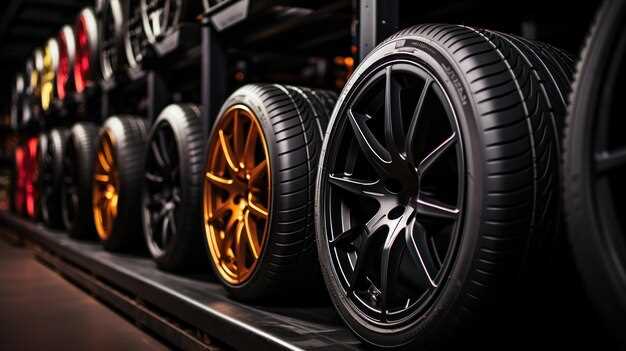
When it comes to enhancing street and track performance, selecting the right brand of tires is crucial. Several manufacturers stand out in the realm of performance tires, each offering unique characteristics that cater to various driving needs.
Michelin is widely recognized for its innovative designs and exceptional grip on both wet and dry surfaces. Their Pilot Sport series is particularly favored among enthusiasts for its sharp handling and responsiveness, making it ideal for both daily driving and track days.
Bridgestone, with its Potenza line, is another strong contender. These tires are engineered for high-performance scenarios, providing outstanding grip and stability during aggressive cornering. The Potenza RE-71R is especially popular among track-focused drivers for its superior traction.
Pirelli’s P-Zero tires have gained a reputation for their blend of performance and comfort. These tires excel in delivering excellent grip during acceleration and braking, while also ensuring a smooth ride on the streets, catering to those who like to switch between casual driving and occasional track use.
Dunlop’s Direzza series is noted for its competitive edge in motorsports. These tires are designed for maximum performance and grip, particularly in dry conditions, making them an excellent choice for track enthusiasts looking for an edge during races.
Finally, Goodyear’s Eagle F1 series rounds out the selection with its focus on high-performance handling characteristics. These tires provide exceptional cornering grip and feedback for drivers who demand precision and control in their driving experience.
In summary, selecting the right performance tire brand revolves around personal driving style and the specific conditions you’ll face. Each of these manufacturers offers high-quality options that can elevate your vehicle’s performance, ensuring you get the grip you need on the street and track alike.
Grip Factors: What Creates Optimal Traction?
Achieving optimal traction is crucial for both street and occasional track performance. Several factors contribute to tire grip, ensuring vehicles maintain stability and responsiveness during various driving conditions.
- Tire Composition: The materials used in tire construction play a significant role in performance. Softer rubber compounds typically provide better grip, especially in dry conditions, while harder compounds offer durability and extended lifespan.
- Tread Design: The tread pattern affects how water, dirt, and debris are channeled away from the contact patch. Tires with a more aggressive tread design enhance grip in wet conditions, while smooth or performance-oriented tires maximize contact area on dry surfaces.
- Contact Patch: The area of the tire that makes contact with the road is essential for traction. A larger contact patch typically results in better grip, as it distributes weight evenly and increases friction. The weight distribution of the vehicle also influences the contact patch size.
- Temperature: Tire performance varies with temperature. Tires operate optimally within a specific temperature range. Warmer tires usually offer improved grip due to increased rubber flexibility, allowing better adherence to the road.
- Maintaining the correct tire pressure is vital for optimal performance. Under-inflated tires can cause excessive flexing, reducing grip, while over-inflated tires may lead to a smaller contact patch and decreased traction.
- Surface Conditions: Different road surfaces affect tire grip differently. Asphalt, concrete, gravel, and wet conditions require different types of tires to maximize performance. Choosing the right tire for the specific conditions is essential.
By understanding these grip factors, drivers can select the appropriate tires for their needs, enhancing performance on both the street and track. Prioritizing the right combination of tire composition, tread design, and maintenance will result in optimal traction and an improved driving experience.
Street vs. Track: Tire Choices for Different Conditions

When it comes to selecting tires for both street and occasional track performance, understanding the unique requirements of each environment is crucial. Street tires are designed primarily for daily driving, focusing on comfort, durability, and traction in varied weather conditions. These tires typically feature a tread pattern that balances wet and dry grip, ensuring safety and longevity during everyday commutes.
In contrast, track tires are engineered for maximum performance and grip on dry surfaces. They often utilize softer compounds that provide superior traction and responsiveness, crucial for high-speed cornering and acceleration. However, this comes at the cost of longevity, as track tires wear out more quickly than their street counterparts. Their design usually includes a slick surface or less aggressive tread patterns, optimized for performance over comfort.
Choosing the right tires depends on your driving habits and whether you prioritize daily usability or occasional high-performance driving. For those who frequently alternate between street driving and track days, a set of performance tires might be a viable compromise. These tires are designed to offer enhanced grip and stability while still maintaining a level of comfort suited for everyday conditions.
Ultimately, understanding these differences will help you select the most suitable tires for your needs, ensuring optimal performance whether you’re cruising through city streets or tackling winding track layouts.
Maintenance Tips for Longevity of Performance Tires
Performance tires are designed to provide enhanced grip and responsiveness, essential for both street driving and track performance. To ensure their longevity, regular maintenance is crucial. Here are key tips for maintaining your tires:
| Tip | Description |
|---|---|
| Tire Pressure | Regularly check and maintain the recommended tire pressure. Under-inflated tires can lead to excessive wear and reduced grip, while over-inflation can diminish traction and stability. |
| Alignment and Balancing | Ensure that your vehicle’s alignment and wheel balancing are correct. Misalignment can cause uneven tire wear and affect handling performance. |
| Regular Rotation | Rotate your tires every 5,000 to 7,500 miles to promote even wear. This practice can extend tire life and maintain grip across all tires. |
| Visual Inspections | Perform regular visual inspections for signs of tread wear, cracks, or foreign objects. Early detection of issues can prevent more significant problems later on. |
| Avoiding Overheating | Minimize aggressive driving and avoid prolonged high-speed runs that can cause overheating and rapid degradation of the rubber compound. |
| Proper Storage | If you have seasonal tires, store them in a cool, dry place away from direct sunlight. Use tire covers to protect them from UV damage and ozone exposure. |
By following these maintenance tips, you can maximize the lifespan and performance of your tires, ensuring optimal grip and safety on the road and track.
Cost vs. Performance: Finding the Right Balance
When selecting tires for street and occasional track use, balancing cost and performance is crucial. High-performance tires often provide superior grip and handling, enhancing the driving experience on both the road and the track. However, these tires usually come with a higher price tag, which can be a significant factor for many drivers.
Budget-friendly options may offer decent performance for everyday driving but can fall short when pushed to their limits on a track. This trade-off affects crucial aspects such as traction and cornering stability. To find the right balance, consider how often you will be using the tires in a performance setting versus daily driving conditions.
Investing in tires with better grip can significantly improve your confidence and control, especially during high-speed maneuvers. However, it’s essential to evaluate your driving style and frequency of track days against your budget. For those who plan on spending more time on the track, the additional cost of premium tires might be justified, as they can enhance performance and safety.
Ultimately, the goal is to select tires that meet both performance expectations and budget constraints. Research various brands and models, read reviews, and consider expert opinions to ensure you make an informed decision that aligns with your performance needs without overspending.


