


The performance of Corrado axles and CV joints is crucial for the overall efficiency and handling of a vehicle. These components are integral to the drivetrain, connecting the engine’s power to the wheels. Enhancing the performance of shafts and CV joints ensures that the vehicle operates smoothly, maximizing torque transfer while minimizing wear and tear on the components.
CV joints play a vital role in accommodating the up-and-down motion of the suspension as well as the steering angles of the front wheels. Improving their performance often involves selecting high-quality materials and advanced manufacturing techniques that enhance durability and reduce friction. Furthermore, the optimization of shafts through precise engineering can significantly influence the responsiveness and reliability of the drivetrain.
In this article, we will explore various methods to enhance the performance of Corrado axles and CV joints, including aftermarket upgrades, maintenance practices, and innovative technologies. By understanding these enhancements, enthusiasts can ensure their vehicles deliver optimal performance both on the road and track.
Understanding the Role of CV Joints in Vehicle Dynamics
Constant Velocity (CV) joints play a crucial role in the overall performance of a vehicle’s drivetrain. These components are essential for transferring power from the engine through the axle to the wheels while accommodating the up-and-down motion of the suspension and steering movements. The design and function of CV joints allow for seamless rotational movement, which is vital for smooth vehicle dynamics.
At the heart of vehicle dynamics, CV joints ensure that torque is effectively transmitted without interruption. As the vehicle navigates turns, the outer CV joint enables the wheel to pivot while still receiving power from the axle. This flexibility is vital for maintaining traction and stability, particularly in cornering situations where the demand for grip is at its highest. The design of CV joints, typically featuring a series of balls or wedges, allows for a wide range of angles without sacrificing effectiveness.
Moreover, the performance of CV joints directly influences ride quality and handling. Worn or damaged CV joints can lead to vibrations, excessive noise, and compromised handling. Regular inspection and maintenance of these components are essential, as they contribute to the longevity of the axle system and the vehicle as a whole.
In modern vehicles, advancements in CV joint technology have led to improved durability and efficiency. High-performance applications often require specially designed CV joints that can handle increased torque and operational stress. These enhancements are critical for vehicles equipped with powerful engines or those used in demanding driving conditions.
Ultimately, understanding and optimizing the function of CV joints is key to enhancing overall vehicle dynamics. By ensuring that these components are in good working condition and are effectively integrated with the axle system, manufacturers can provide drivers with a better handling experience, increased safety, and improved performance on the road.
Common Issues Affecting Corrado Axle Shafts and Their Solutions
Corrado axle shafts are crucial components that connect the wheels to the vehicle’s drivetrain. Several common issues can affect the performance and longevity of these parts, leading to decreased functionality and potential vehicle damage.
One prevalent issue is axle shaft wear due to prolonged use and exposure to harsh conditions. Over time, wear can lead to play in the CV joints, resulting in vibrations and noise. Regular inspection and timely replacement of worn components can mitigate this issue. Utilizing high-quality replacement axle shafts can enhance durability and performance.
Another challenge is CV joint failure, often characterized by clicking or popping sounds when turning. This failure typically occurs because of a torn boot, allowing dirt and moisture to enter the joint, leading to premature deterioration. To resolve this, immediate inspection and boot replacement are necessary. If the joint is already compromised, a complete CV joint replacement is recommended.
Corrosion can also affect axle shafts, particularly in regions where road salt is used during winter. This corrosion can weaken the shaft structure, leading to fractures under stress. To combat this, applying protective coatings during maintenance can help prevent rust formation. When significant corrosion is present, it is advisable to replace the affected axle shafts to ensure safety and reliability.
Improper installation of axle shafts can lead to misalignment, which may cause uneven wear on tires and other drivetrain components. Ensuring that axle shafts are installed correctly and torque specifications are followed is crucial. Additionally, using alignment tools during installation can help prevent this issue from occurring.
Finally, inadequate lubrication can lead to accelerated wear of both axle shafts and CV joints. Regular maintenance that includes proper greasing can ensure that all moving parts operate smoothly. If internal components are dry or the grease is contaminated, it is essential to clean and re-grease the assembly or consider a full replacement.
Upgrading Materials for Improved Durability of CV Joints
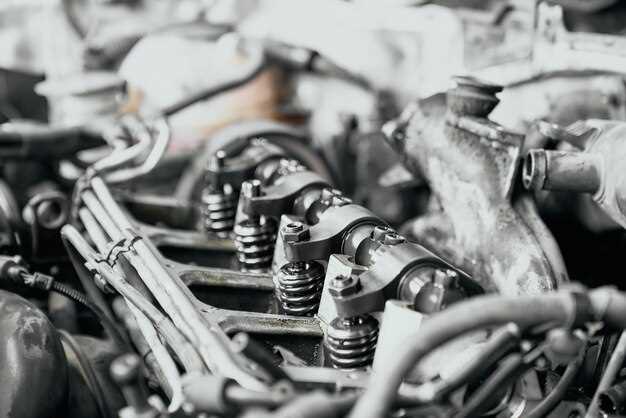
The durability of constant velocity (CV) joints is critical for the overall performance of axles in automotive applications. Enhancing the materials used in CV joints can significantly extend their lifespan and reliability. Traditional materials such as steel and rubber, while effective, can wear down quickly under high-stress conditions. Transitioning to advanced materials can offer substantial benefits.
One promising approach is the use of high-strength alloys for the housing of CV joints. These alloys, often containing additives such as chromium or molybdenum, can provide superior resistance to wear and deformation. Furthermore, utilizing heat treatment processes can enhance the hardness of these materials, resulting in improved performance during torque delivery.
Another area for improvement is the inclusion of composite materials for the boots of CV joints. Traditional rubber boots can degrade over time due to exposure to heat, oil, and environmental factors. Advanced composites, such as thermoplastic elastomers, can offer better resilience against these factors, reducing the frequency of maintenance and replacement.
Additionally, implementing lubrication advancements, including low-friction coatings and synthetic lubricants, can enhance the operation of CV joints. These lubricants reduce friction, which minimizes heat generation and wear, further extending durability and efficiency.
In conclusion, upgrading the materials used in CV joints–through the incorporation of high-strength alloys, advanced composites, and improved lubrication techniques–can lead to a significant enhancement in their durability. These upgrades ensure that axles equipped with these advanced CV joints perform optimally under a variety of driving conditions, offering enhanced safety and reliability.
Best Practices for Regular Maintenance of Axles and CV Joints
Regular maintenance of axles and CV joints is crucial to ensure optimal performance and longevity of your vehicle. Following best practices can help prevent costly repairs and enhance the overall driving experience.
First and foremost, conducting visual inspections is essential. Regularly examine the CV boots for any signs of cracks, tears, or leaks. Damaged boots can lead to dirt and debris entering the CV joint, resulting in premature failure. Replace any defective boots promptly to maintain integrity.
Additionally, ensure that axles are securely mounted and free from any undue movement. Loose axles can lead to misalignment and uneven wear. Tightening bolts and securing mounts should be a part of your routine check-ups.
Another vital aspect of maintenance is lubrication. CV joints require proper grease levels to operate smoothly. If you notice any abnormal noises during turns, it could indicate a lack of lubrication. Repacking CV joints with manufacturer-approved grease at specified intervals can significantly prolong their lifespan.
Brake system checks are also important. When inspecting brakes, pay attention to how closely they interact with axles. Worn brake components can place additional stress on axles, so replacing them when needed can help maintain stability and performance.
Lastly, ensure that your driving habits do not place unnecessary strain on the axles and CV joints. Sudden acceleration, sharp turns, and driving over rough terrain can accelerate wear. Practicing smoother driving techniques can extend the life of these components significantly.
Performance Enhancements Through Proper Alignment and Installation
Ensuring optimal performance of Corrado axles and CV joints hinges significantly on two critical factors: proper alignment and correct installation. Misalignment or improper setup can lead to a host of issues that ultimately compromise the performance of shafts and joints.
Accurate alignment of axles is essential for maximizing their functionality. Poor alignment can cause uneven wear, increased friction, and eventual failure of CV joints. Addressing alignment issues can yield several advantages:
- Reduction of tire wear: Properly aligned axles ensure that the tires make even contact with the road surface, prolonging their lifespan.
- Improved fuel efficiency: Misalignment can increase rolling resistance, leading to higher fuel consumption. Correct installation optimizes efficiency.
- Enhanced handling: An aligned axle contributes to better handling and stability, improving overall driving experience.
Installation plays an equally vital role in maximizing the performance of axles and CV joints. Following manufacturer guidelines and industry best practices during the installation process ensures reliability and durability. Key considerations when installing shafts and joints include:
- Torque Specifications: Adhering to recommended torque settings prevents excess stress and potential failure.
- Lubrication: Proper lubrication of CV joints reduces friction and heat buildup, which are critical for long-term performance.
- Inspection: Thoroughly inspecting each component for wear or damage during installation can prevent future issues.
- Slip Yoke and CV Joint Angles: Ensuring that angles are correct during installation directly impacts the efficiency of power transmission.
In summary, enhancing the performance of Corrado axles and CV joints is achievable through diligent attention to alignment and meticulous installation practices. Implementing these strategies can lead to increased longevity, reduced operational costs, and an overall better vehicle performance.
Evaluating Aftermarket Options for Axle and CV Joint Upgrades
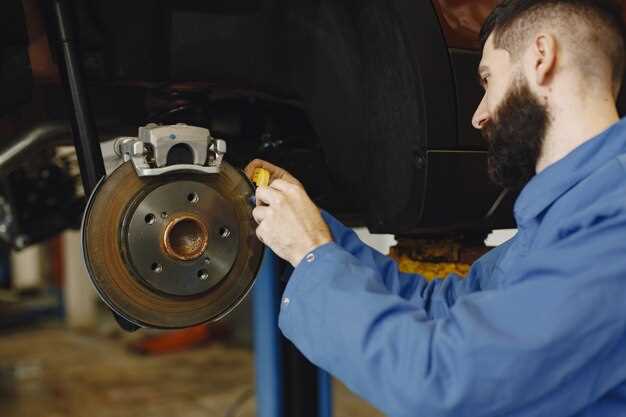
When it comes to enhancing the performance of Corrado axles and CV joints, evaluating aftermarket options is essential for achieving improved durability and efficiency. Aftermarket components often promise superior quality and longevity compared to stock parts, which can be crucial for those seeking increased performance, especially in modified vehicles.
One of the primary factors to consider when choosing aftermarket axles and CV joints is materials and construction. High-strength steel or chromoly shafts often outperform standard options in terms of resistance to bending and breakage under high torque conditions. Additionally, some aftermarket manufacturers utilize advanced heat treatment processes, significantly enhancing the fatigue strength of axles.
Another important aspect to evaluate is the joint design. Many aftermarket CV joints feature improved angularity and articulation, providing better performance during cornering and suspension travel. This can reduce wear and enhance the overall responsiveness of the vehicle, crucial for both daily driving and high-performance applications.
Compatibility with your specific vehicle setup is also critical. It’s essential to ensure that the selected axles and CV joints are designed to work with your particular drivetrain configuration, including aftermarket modifications such as lifted suspensions or increased power outputs. Manufacturers often provide detailed specifications, making it easier to find parts that meet your needs.
Cost is a significant consideration as well. While high-quality aftermarket options may demand a higher initial investment, their longevity and performance can lead to cost savings over time through reduced maintenance and fewer replacements. Researching warranties and customer reviews can give insights into the reliability of various brands.
Ultimately, evaluating aftermarket options for axle and CV joint upgrades requires a balance of performance, durability, compatibility, and cost. Thorough research and careful consideration can lead to informed choices, enhancing the overall functionality and resilience of your vehicle’s drivetrain system.


